- Contextualizing the Annual Fitness Push
- Detailed Analysis of Apple’s Strategy
- Expert Perspectives and Market Implications
- Forward-Looking Implications
Apple is strategically positioning its Apple Watch series as the indispensable tool for New Year’s fitness resolutions, globally targeting consumers in late December and early January to capitalize on the annual surge in health-conscious initiatives. This concerted effort aims to solidify the device’s role as a personal health companion, driving engagement and reinforcing its ecosystem amidst a competitive wearable technology market.
Contextualizing the Annual Fitness Push
Each year, millions worldwide commit to improving their physical health, a resolution often short-lived. The challenge of sustained activity presents a significant market opportunity for technology companies offering solutions for tracking, motivation, and progress monitoring. Apple Watch has consistently been a frontrunner in this segment since its inception, evolving from a communication device to a sophisticated health and fitness tracker.
The wearable tech market, valued at approximately $60 billion in 2023, is projected to grow significantly, with smartwatches accounting for a substantial portion. Apple’s dominance in this sector, consistently holding over 30% market share according to IDC and Counterpoint Research, positions it uniquely to influence consumer health trends. The company’s integrated approach, combining hardware, software (watchOS), and services (Fitness+), creates a formidable ecosystem designed to foster long-term user engagement.
Detailed Analysis of Apple’s Strategy
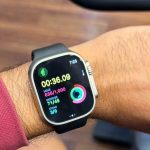
Apple’s New Year’s initiative is multi-faceted, leveraging key features of the Apple Watch to resonate with resolution-makers. The iconic Activity Rings—Move, Exercise, and Stand—serve as a gamified incentive, providing immediate, visual feedback on daily activity. This simple yet effective mechanism encourages users to close their rings, fostering a sense of accomplishment and consistency.
Beyond basic activity tracking, the Workout app offers comprehensive metrics for various physical activities, from running and swimming to yoga and strength training. Advanced sensors monitor heart rate, blood oxygen levels, and detect irregular heart rhythms, offering insights that transcend mere fitness to encompass broader health monitoring. This data, presented clearly within the Health app, empowers users with actionable information about their well-being.
The integration with Apple Fitness+ further amplifies this strategy. By offering studio-style workouts led by expert trainers directly on Apple devices, Fitness+ provides an accessible, diverse, and engaging fitness solution that complements the Watch’s tracking capabilities. This subscription service aims to remove barriers to exercise, such as gym memberships or specialized equipment, by providing guided workouts that can be done almost anywhere.
Industry analysts, such as those at Canalys, frequently highlight Apple’s robust ecosystem as a key differentiator. The seamless interaction between the Apple Watch, iPhone, and other Apple devices creates a sticky user experience, making it harder for users to switch to competing platforms. This integration is particularly potent during resolution periods, where convenience and immediate gratification are crucial for maintaining motivation.
Expert Perspectives and Market Implications
Data from previous years consistently shows a sharp increase in health and fitness app downloads and wearable device activations in January. A recent report by Statista indicated that over 50% of adults in North America made a fitness-related New Year’s resolution in the past year. Apple’s timely marketing aligns precisely with this consumer behavior, aiming to capture a significant portion of this engaged audience.
“Wearable technology has moved beyond novelty to become an integral part of personal health management,” states Dr. Evelyn Reed, a digital health researcher at Stanford University. “Devices like the Apple Watch, with their sophisticated sensors and user-friendly interfaces, offer a powerful tool for self-monitoring and behavioral change. The gamification aspects, like closing rings, tap into fundamental psychological motivators for consistency.”
This strategic push is not without its competitive pressures. Samsung, Google (with Fitbit), and Garmin also vie for market share in the health and fitness wearable space, each offering their own unique ecosystems and specialized features. However, Apple’s established brand loyalty and extensive global retail presence provide a significant advantage in converting resolution-makers into long-term users.
Forward-Looking Implications
The ongoing emphasis on health and wellness by tech giants like Apple points towards a future where personal devices play an even more central role in preventative healthcare. Expect to see continued innovation in sensor technology, potentially allowing for non-invasive monitoring of blood glucose or blood pressure. The integration of artificial intelligence and machine learning will likely lead to more personalized health insights and proactive recommendations, moving beyond simple data tracking to predictive health analytics.
Furthermore, the convergence of fitness services and wearable hardware will intensify. Subscription models like Fitness+ are likely to expand, offering more specialized content and personalized coaching. Regulatory scrutiny regarding health data privacy and accuracy will also grow, influencing how these devices collect, store, and utilize sensitive user information. The battle for the wrist, particularly during peak health-conscious periods like the New Year, will remain a critical front in the broader tech ecosystem war, driving continuous innovation and user-centric development.