- Context: Bridging the Manufacturing Skill Gap
- Virtual Expansion: Democratizing Advanced Skills
- Implications for the Industry and Workforce
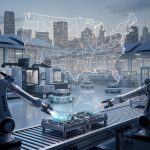
Apple Manufacturing Academy has recently launched its advanced virtual programming, significantly expanding access to critical skills training for the global manufacturing workforce. This strategic move, announced in recent weeks, aims to address the accelerating demand for specialized expertise within Apple’s vast supply chain and the broader high-tech manufacturing sector, leveraging digital platforms to overcome geographical barriers and democratize essential knowledge.
Context: Bridging the Manufacturing Skill Gap
The establishment of the Apple Manufacturing Academy in its initial physical form represented a tangible commitment to fostering a highly skilled workforce crucial for sophisticated production processes. Modern manufacturing, particularly in consumer electronics, demands an intricate blend of robotics, automation, data analytics, and sustainable practices. The industry has consistently faced a growing skill gap, where the pace of technological advancement outstrips the availability of trained personnel.
Apple’s prior investments in manufacturing education underscored the strategic importance of a robust, capable workforce for maintaining product quality, driving innovation, and ensuring supply chain resilience. This foundation laid the groundwork for the current pivot, recognizing the imperative to scale educational initiatives rapidly and efficiently.
Virtual Expansion: Democratizing Advanced Skills
The newly introduced virtual programming offers a comprehensive curriculum designed to equip participants with cutting-edge manufacturing competencies. Modules cover critical areas such as advanced robotics, precision engineering, quality management systems, sustainable manufacturing practices, and supply chain optimization through data science. The program targets both existing employees within Apple’s supplier network and aspiring professionals seeking to enter the high-tech manufacturing domain.
This shift to virtual delivery represents a pragmatic adaptation to contemporary learning paradigms and global operational realities. It allows for unprecedented scalability, enabling thousands more individuals across diverse geographies to access specialized training without the constraints of physical presence. Interactive digital platforms, virtual simulations, and remote collaboration tools form the backbone of this educational infrastructure, providing an immersive learning experience.
Industry analysts frequently point to a significant projected skill deficit in advanced manufacturing. Reports suggest that without substantial investment in workforce development, this gap could impede innovation and operational efficiency across global supply chains. “Apple’s virtual academy is a pivotal response to the evolving demands of the global supply chain, democratizing access to specialized knowledge that was once geographically constrained,” states Dr. Anya Sharma, a senior analyst at Global Manufacturing Insights. This initiative directly confronts the challenge by providing flexible, accessible training pathways.
Implications for the Industry and Workforce
The launch of Apple’s virtual Manufacturing Academy carries significant implications for its supply chain and the broader manufacturing industry. For Apple, it promises enhanced operational efficiency, improved product quality, and greater resilience across its extensive network of suppliers. A more uniformly skilled workforce can adapt faster to technological shifts and implement best practices consistently, reducing production bottlenecks and fostering innovation at every stage.
Beyond Apple’s immediate ecosystem, this move sets a compelling precedent for other global corporations and manufacturing entities. It highlights the viability and necessity of virtual education models in addressing complex industrial skill requirements. We can anticipate other industry leaders exploring similar digital transformation strategies for their training and development programs, accelerating the adoption of remote learning technologies in vocational education.
For the global workforce, the virtual academy offers invaluable opportunities for upskilling and reskilling, equipping individuals with the competencies demanded by the Fourth Industrial Revolution. It empowers workers to remain competitive in an increasingly automated and data-driven manufacturing landscape, potentially mitigating job displacement risks through continuous learning. However, the success of such virtual initiatives will also depend on addressing the digital divide, ensuring equitable access to necessary technology and internet infrastructure.
Moving forward, observers will closely watch the measurable impact of this virtual programming on supplier performance, innovation metrics, and the overall quality of Apple products. The long-term success of this initiative could redefine how advanced manufacturing skills are disseminated and acquired globally, influencing future educational investments and collaborative training models across the high-tech sector.