- Understanding the Escalating Threat Landscape
- Multi-Layered Defense Strategies for a Resilient Ecosystem
- Expert Perspectives and Data Reinforce Urgency
- Forward-Looking Implications and What to Watch Next
Organizations globally, particularly those reliant on open-source software, are urgently advised to fortify their software supply chain defenses now, in response to escalating threats from sophisticated malware campaigns designed to exploit systemic vulnerabilities. This proactive stance, emphasized by recent advisories from security experts and platforms like GitHub, aims to reduce the widespread impact of future attacks on critical infrastructure and digital services.
Understanding the Escalating Threat Landscape
The concept of a software supply chain attack involves malicious actors injecting vulnerabilities or malware into legitimate software components, often during development or distribution. These compromises then propagate downstream to all users of the affected software, creating a ripple effect across numerous organizations.
Recent years have seen a significant increase in the frequency and sophistication of these attacks, transforming the software supply chain into a prime target for state-sponsored groups and cybercriminals alike. The pervasive integration of open-source components, while fostering innovation, simultaneously expands the attack surface, making it an attractive vector for widespread compromise.
Multi-Layered Defense Strategies for a Resilient Ecosystem
The core of the current threat landscape revolves around several vectors, including the injection of malicious code into legitimate libraries, exploitation of outdated dependencies, credential compromise leading to unauthorized access, and social engineering tactics like typo-squatting. These methods allow attackers to embed malware deep within the software ecosystem, often remaining undetected for extended periods.
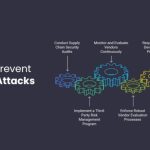
To counteract these sophisticated threats, security experts advocate for a multi-layered defense strategy. For developers and maintainers, implementing robust authentication mechanisms, such as mandatory multi-factor authentication (MFA) across all development platforms, is paramount. This significantly reduces the risk of account takeover, a common initial vector for supply chain attacks.
Furthermore, rigorous dependency management is critical. Regularly auditing and updating third-party libraries, along with employing automated dependency scanning tools, can identify known vulnerabilities before they are exploited. Organizations are also urged to enforce strict code review processes and integrate static and dynamic application security testing (SAST/DAST) into their continuous integration/continuous delivery (CI/CD) pipelines.
The principle of least privilege should be applied rigorously, ensuring that developers and automated systems only have the minimum access necessary to perform their functions. This limits the potential damage if an account or system is compromised. Moreover, securing the software build process itself, through immutable build environments and secure artifact management, prevents tampering during compilation and deployment.
Expert Perspectives and Data Reinforce Urgency
Industry data underscores the urgency of these measures. Reports from cybersecurity firms consistently show supply chain attacks as one of the fastest-growing threat categories, with a notable increase in the sophistication of adversaries. For instance, a recent report by Sonatype indicated a 650% year-over-year increase in software supply chain attacks observed between 2020 and 2021, underscoring the escalating peril.
This trend necessitates a shift from reactive patching to proactive, security-by-design principles throughout the entire software development lifecycle. Experts from organizations like CISA and NIST continually publish guidelines emphasizing the importance of a comprehensive approach to supply chain risk management, including vendor assessments and incident response planning.
Organizations must adopt a security culture that permeates every level, from individual developers to executive leadership. Regular security training and awareness programs are vital to ensure that all personnel understand their role in maintaining a secure software supply chain.
Forward-Looking Implications and What to Watch Next
The implications of a compromised software supply chain extend far beyond immediate operational disruptions, potentially leading to significant financial losses, reputational damage, and erosion of public trust. For businesses, this necessitates a fundamental re-evaluation of their risk posture, demanding greater transparency and due diligence from their software providers and open-source dependencies.
Developers must internalize security as a core tenet of their craft, moving beyond functional requirements to embrace secure coding practices inherently. End-users, while often downstream, benefit from the collective industry effort to secure the digital ecosystem, though vigilance in software updates remains crucial.
Looking ahead, the emphasis will increasingly shift towards automated security tools capable of real-time threat detection and remediation across the supply chain. The adoption of advanced cryptographic techniques, such as verifiable supply chain attestations and blockchain-based provenance tracking, is expected to gain traction. Furthermore, regulatory bodies are likely to impose stricter compliance requirements on software vendors regarding supply chain security, pushing for standardized security frameworks. The ongoing battle against supply chain malware will demand continuous innovation, cross-industry collaboration, and a collective commitment to elevating the baseline of software trustworthiness.